LaCie Rugged SSD4 – We Freeze, Drop, Soak, and Drive Over This “Adventure-Proof” Device
David SchlossAdministrator
David Schloss has been testing and reviewing camera gear for nearly thirty years, and has been a photographer since his father gave him a Nikon EL in 1979.
He has served as Editor-in-Chief of Digital Photo Pro, Digital Photo, and HDVideo Pro magazines, as well as Technology Editor for Outdoor Photographer and Photo District News. Over the course of his career, he has written three photography books, ghostwritten several others, and contributed articles and photography to more than 30 publications spanning technology, photography, fitness, and lifestyle.
In addition, he runs the YouTube channel Dave Tries This, where he brings the same expertise to real-world gear reviews.
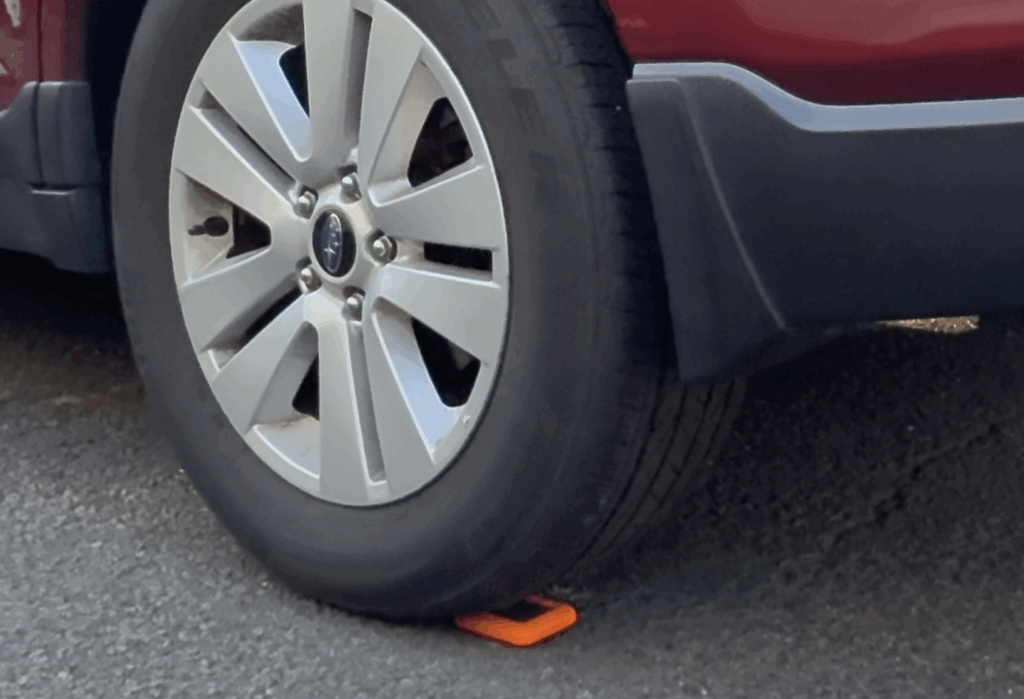
The LaCie Rugged SSD4 is a high-performance portable SSD engineered for creators on the move. With USB4/Thunderbolt 5 compatibility delivering up to 4,000 MB/s read and 3,800 MB/s write speeds, and built into a shock-resistant IP54 rated shell that survives 3-metre drops and 1-ton pressure, this drive strikes a premium balance of speed and ruggedness. Available in 1 TB, 2 TB and 4 TB capacities, it arrives ready for multi-platform use (macOS, Windows, iPadOS, Android) and includes a 3-year warranty with data recovery support.
Reasons to Buy
Fast real-world performance when connected via USB4 or Thunderbolt, making it suitable for 4K/8K workflows and large project transfers.
Rugged construction with drop, dust, and splash resistance designed for field work.
Broad device compatibility across macOS, Windows, iPadOS, and Android via USB-C.
Compact and portable size that’s easy to carry in a kit bag.
Includes a three-year warranty with data recovery services for added protection.
Reasons to Avoid
Requires a full-bandwidth USB4 or Thunderbolt port to reach maximum performance; slower ports will bottleneck the drive.
Higher price compared to non-rugged portable SSDs.
IP54 rating provides splash resistance but not full waterproofing.
Slightly bulkier than ultra-thin portable SSDs due to the rugged bumper.
Short included cable may not be ideal for all setups.
Over the years, I have dropped many a hard drive or SSD, and while most of them survived, many of them were gone forever with a sad thud as they hit the floor.
Hard drives were the main culprits for an early death. The spinning platters and mechanics needed to read and write data weren’t designed for sudden deceleration. Nor were they designed to handle water, freezing temperatures, or being crushed.
Portable hard drives were designed to be more durable than their desktop counterparts, but they’re still incredibly delicate devices.
Solid State Drives (SSD) handle these conditions better, but they’re still fragile. Get a drive wet and, well, you’ve got an expensive paperweight. Drive over it with your car, and they’re toast, and of course, you are a bad driver.


 Watch our YouTube Review